School-Run Streets Without the Scramble: A Morning Plan for Gosport Learners
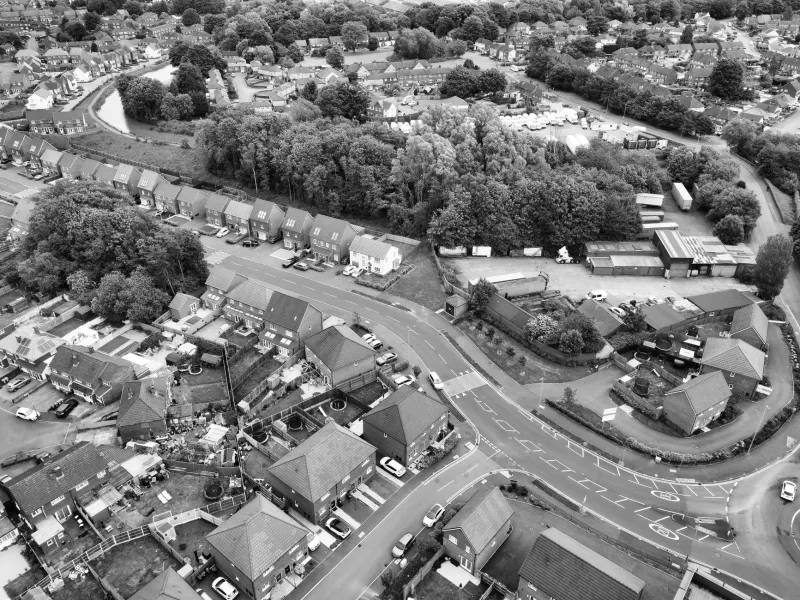
At 8:15am, some Gosport roads change character. A street that felt wide and quiet on a Sunday morning becomes a line of parked cars, hazard lights, reversed hatchbacks, children at the kerb and adults looking at phones. For a learner, it can feel like the road has been rearranged while you were asleep.
The school run is not a test of speed. It is a test of observation, patience and planning. If your lessons take you through these streets, or if you are building confidence before driving near a school, here is a calm way to approach the morning gauntlet.
Plan the route before the engine starts
The best school-run driving starts before you turn the key. If you know your lesson will pass a school at drop-off time, talk to your instructor about the route. Sometimes a slightly longer way round is easier than a short cut through tight parked cars and last-minute turns.
Allow more time than you think you need. Five extra minutes takes away the urge to rush. Know where you could safely pull over if you need a pause — a proper lay-by, a quiet side street, or a car park, not a bus stop or a corner.
If you are driving your own family, decide in advance where you will drop off. A spot that is a short walk from the gate is often calmer than the closest possible space. It also reduces the chance of you stopping suddenly while others are manoeuvring.
Read the first clues early
School-run hazards usually announce themselves before you reach the gate. Look for:
- cars parked on both sides with barely a gap between them
- hazard lights flashing outside a house
- adults standing in the road while talking
- children walking near the kerb or between parked cars
- car doors opening
- buses or delivery vans stopped in awkward places
- brake lights flickering as drivers look for a space
Scan well ahead, not just at the car in front. Look under parked vehicles for feet, and look through windows where you can. Check your mirrors often, because the traffic behind you may be changing as quickly as the traffic in front.
Treat the school gate as a hazard, not a destination
The gate itself is where attention is most scattered. Parents are saying goodbye, children are running, and drivers are trying to pull out. Your job is not to be helpful or quick. Your job is to be predictable.
Keep your speed low enough that you could stop if a child stepped out. That might mean crawling in first gear. It might mean waiting while someone reverses. It might mean letting a pedestrian cross even though you have not reached a formal crossing. School-run streets reward the driver who is willing to be patient.
Manage the queue behind you
Following traffic can make learners feel selfish for stopping. But if a child is near the kerb or a car is reversing into your path, stopping is the right move. The driver behind can wait.
If you need to pause for longer, use your signals clearly. If you are turning into a side road, indicate early. If you are waiting for a gap, keep your position steady. Avoid waving others through unless you can see the whole picture. A kind gesture from you can create confusion for someone else.
Tight gaps and parked cars
In areas like Brockhurst, Rowner or the streets around Alverstoke, parked cars can turn a normal road into a single-file squeeze. The temptation is to follow the car in front through a gap before someone comes the other way.
Try not to think in terms of following. Think in terms of space. Is there room for your car and an oncoming car? Can you see past the parked vehicles? Is a cyclist likely to appear? If the answer is not clear, hang back. Waiting at the entrance to a pinch point is much easier than meeting someone in the middle of it.
When to pause or ask for support
If the morning traffic starts to overwhelm you, look for a safe place to stop. A quiet side street or a proper car park is fine. Put the handbrake on, take a breath, and let the worst of the school-run traffic pass. Then continue when you feel ready.
In a lesson, tell your instructor. You are not failing by saying, 'I need a moment.' That is exactly what a good lesson is for. Your instructor can talk you through the next junction, help you plan a different route, or simply let you pause until the road feels manageable again.
A simple morning checklist
Before you set off into school-run traffic, run through this:
- Have I allowed enough time?
- Do I know where I can safely pause?
- Are my mirrors set and my speed low?
- Can I see the pavement and the gaps between cars?
- Have I checked behind me recently?
- Am I willing to wait rather than squeeze?
School-run roads are busy, but they are not impossible. With a plan, a gentle speed and permission to wait, a Gosport learner can handle the 8:15am scramble without letting it handle them.